

By the Outdoor Living Team at Top Quality Home Renovation, Deck and Patio Contractors Serving Northern New Jersey

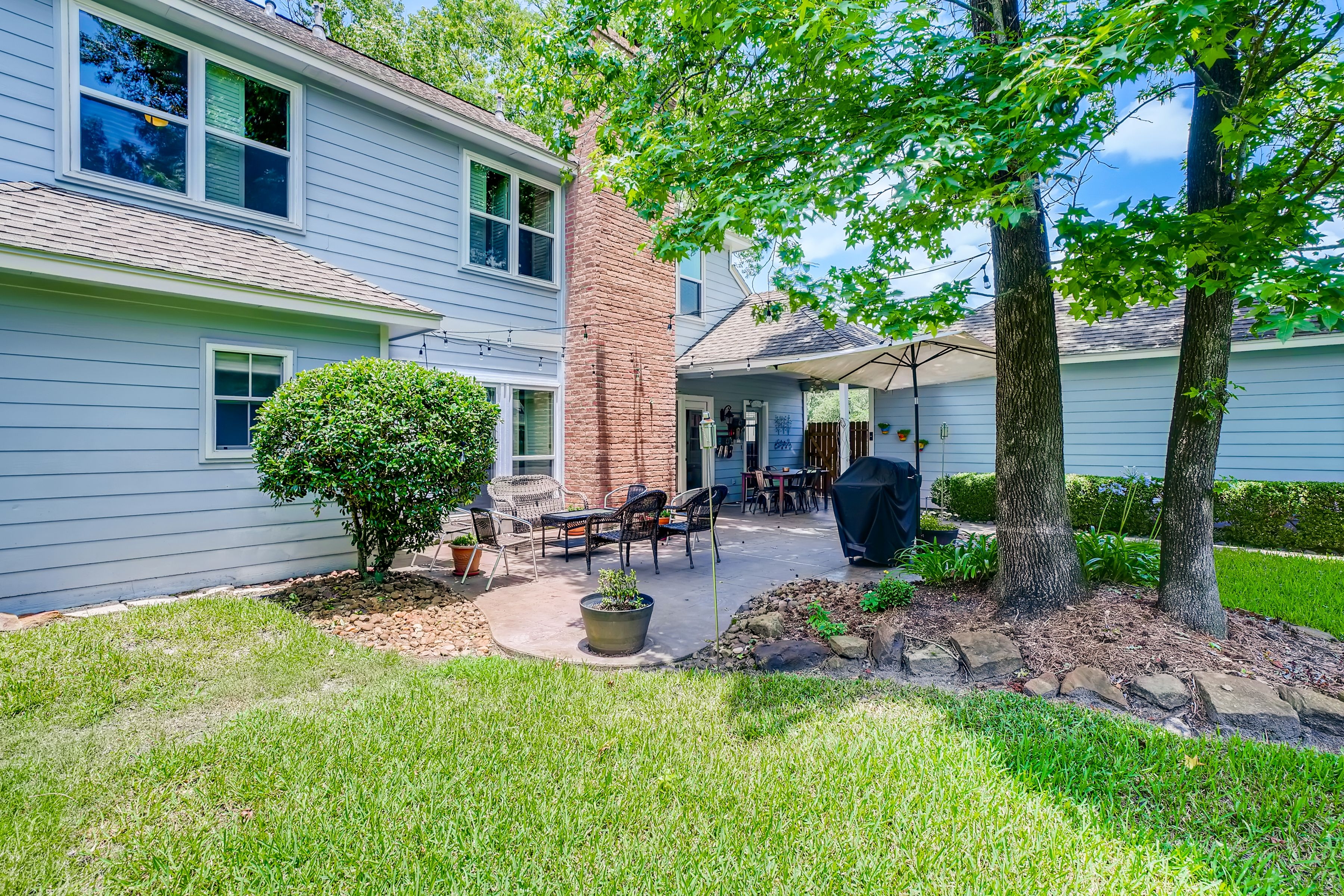
You spent all summer wishing your backyard felt like somewhere you actually wanted to be, and now the evenings are turning cooler and you are wondering if you missed your window. You did not. If anything, late summer is one of the smartest times to plan an outdoor living space that lasts through NJ winters, because the work you start now has time to settle before the first hard freeze. Across Morris and Essex counties the ground is still dry and stable, contractor calendars have not yet filled for the fall, and a patio or deck built this season is ready to enjoy the moment the weather warms again.
A backyard that survives winter is not a matter of luck. It comes down to timing, a properly built base, and materials chosen for cold, wet weather. Get those three things right and your space shrugs off the freeze-thaw cycles that crack, heave, and warp the projects that were rushed or built on the cheap. Get them wrong and you are looking at repairs before spring.
If you are ready to talk through what your yard could become, the team at Top Quality Home Renovation is glad to help. Call us at 973-604-0152or fill out the online contact form on our website to request a free quote.
Outdoor Living Space Design In New Jersey: Why Is Late Summer The Best Time To Start?
There is a reason experienced builders across North Jersey stay booked through the fall. The season is quietly ideal for outdoor construction, and a project you start now is set up to succeed rather than struggle. The summer heat has dried out the soil, which lets our crews compact a base the right way, and the cooler air makes for steady, comfortable working conditions.
Late summer timing also gives everything you build a chance to settle. A patio base laid now has weeks to lock in before the ground freezes, so it enters winter stable instead of freshly disturbed. Waiting until spring often means competing with snowmelt, saturated soil, and a rush of homeowners who all decided to call at once.
- Dry, stable ground: late-summer soil compacts cleanly, which is the foundation of a patio that will not shift or settle
- Time to settle: a base built now locks in before the first freeze instead of heaving during it
- Open schedules: booking before the fall rush means your project starts sooner and finishes on time
- Ready for spring: the space is finished and waiting the moment the weather turns, with no lost season
In short, the work you invest in now pays off twice, once as a durable build and again as a backyard you can use the instant winter loosens its grip.
NJ Winter Weather And Freeze-Thaw Cycles: What Actually Damages An Outdoor Space?
To build something that lasts, it helps to understand what it is up against. New Jersey winters are not just cold, they are wet, and it is the combination that does the damage. Snow and ice melt during the day, seep into any gap or crack, then freeze again at night.
Water expands as it freezes, so every one of those cycles pushes with real force on whatever it has worked its way into. Over a single Denville or Livingston winter that cycle can repeat dozens of times, and materials that were not built for it start to fail.
- Freeze-thaw movement: trapped water expands and contracts, prying pavers apart and opening cracks in poured surfaces
- Frost heave: moisture in the soil freezes and lifts anything sitting above it, tilting slabs, posts, and steps
- Water intrusion: untreated wood and porous stone soak up meltwater that later freezes and splits them from the inside
- Surface wear: de-icing salt and constant wet-dry swings pit, stain, and dull unsealed finishes over time
None of this is a reason to avoid building. It is a reason to build correctly. Every problem on that list is prevented by good design and honest construction, which is exactly what the next sections cover.
Patio And Paver Installation In Northern New Jersey: How Do You Build A Base That Survives Winter?
A patio is only as strong as what sits beneath it, and this is where winter durability is truly won or lost. A surface that looks flawless in September can buckle by February if the base was thin, poorly drained, or skipped a step. The best-looking pavers in Morristown will still fail on a bad foundation.
A base built for our climate starts with proper excavation, then layers of compacted crushed stone that give water somewhere to drain instead of pooling and freezing. The whole surface is graded to slope water away from your home, and the edges are locked in so nothing creeps outward over the years.
- Deep excavation: digging out enough soil to hold a full base rather than a thin, shortcut layer
- Compacted stone base: layers of crushed aggregate compacted in stages so the surface has no room to settle
- Drainage and slope: a deliberate grade that carries meltwater away instead of letting it sit and freeze
- Edge restraints: borders that hold pavers tight so freeze-thaw movement cannot push them apart
- Footings below the frost line: posts and structures anchored past the roughly 36-inch New Jersey frost depth so they will not heave
These steps are invisible once the project is finished, which is exactly why some builders cut them. At Top Quality Home Renovation, owner Ivan Navarro oversees the work personally, so the parts you never see are done to the same standard as the parts you do.
Composite Decking And Durable Materials In New Jersey: Which Choices Hold Up Through Cold, Wet Winters?
Once the base is right, the materials sitting on top decide how your space ages. Some hold their color and structure through a decade of Garden State winters, and others start to gray, splinter, or crack after a season or two. Choosing well up front saves you money and headaches later.
For decks, composite has become the practical choice for our climate. Boards from lines like TimberTech carry a protective cap that blocks water instead of soaking it up, so they resist the swelling, cracking, and rot that plague untreated wood through freeze-thaw weather. They are installed with spacing that lets them expand and contract without stressing the frame.
- Capped composite decking: a sealed surface that shrugs off meltwater and holds its color through wet winters
- Concrete pavers: dense, freeze-rated units that flex slightly with the ground instead of cracking like a solid slab
- Sealed joints: polymeric sand that locks paver joints against weeds, ants, and washout
- Proper flashing and drainage: details at the house and posts that keep water moving away from wood and fasteners
The right material list depends on your yard, your style, and how you plan to use the space. A short conversation during your free estimate is usually all it takes to match the options to your goals and your budget.
Similar Post: Deck Repair or Replace? How to Tell If Your North Jersey Deck Has Had Enough
Winter-Ready Outdoor Living Design In Morris County: How Do You Build A Space For Year-Round Use?
An outdoor living space does not have to go dormant the moment the temperature drops. With the right design, the same patio you enjoy in July still works for a crisp fall evening in Chatham or a clear winter night under the stars, and that comes down to how it is built, not what you bolt on later.
A patio that holds up through the winter starts with grading that carries meltwater away and keeps ice from collecting where people walk, which makes the whole space safer to cross on a cold morning. Retaining walls turn a sloped, awkward corner into level ground you can actually use, while raised patio platforms, defined borders, and decorative inlays give the area structure and clear footing that stays easy to read under a light snow. The surface itself earns its keep year round too; a well-drained paver patio or a capped composite deck sheds winter wet instead of pooling and icing over in the low spots.
The goal is a space that works in every season, not one that only earns its keep for three months. Planning that layout now, before construction begins, is far easier and less costly than reworking it later.
Delivering quality craftsmanship to Northern New Jersey homes since 2017, with 15+ years of experience
Planning Your Backyard Project Before Fall: What Are The Practical Next Steps?
Moving from wishing to building is simpler than most homeowners expect, and it starts long before anyone breaks ground. A little planning now keeps the project on schedule and on budget once the crew arrives.
- Picture the space: note how you want to use the yard, whether that is dining, lounging, or room for the kids to run
- Set a budget: decide on a comfortable range, and ask about financing options if you want to spread the cost
- Book a free estimate: reach out by phone or the online contact form for a free, no-pressure estimate and a clear explanation of what we recommend, in plain terms
- Confirm the details: review materials, layout, drainage, and any township permits before work begins
- Reserve your spot: get on the fall schedule early so your build finishes before the ground freezes
Each step builds on the one before it, and a good contractor guides you through all of them so nothing gets missed. The sooner you start, the more of the fall building season you have to work with.
Serving Northern New Jersey Homeowners: Where Does Top Quality Home Renovation Build Outdoor Spaces?
Since 2017, Top Quality Home Renovation has designed and built outdoor living spaces for homeowners throughout Northern New Jersey. The team works across Morris, Essex, Somerset, Sussex, and Union counties, in towns like Parsippany, Morristown, Denville, Livingston, Madison, and more than twenty neighboring communities.
With offices in Parsippany and Mine Hill and easy reach to Route 46, Interstate 80, and Interstate 287, our crews know the soil, the townships, and the winters of this region firsthand. A patio built for the Lake Hopatcong area has to handle the same freeze-thaw reality as one in downtown Morristown, so we build for the climate we live in, not a generic one.
Outdoor Living Space FAQs: What Do New Jersey Homeowners Ask Most?
Is late summer really a good time to build an outdoor living space in New Jersey?
Yes. Late summer and early fall offer dry, stable soil for a strong base, and building now gives everything time to settle before the first freeze. Your space is also finished and ready to enjoy as soon as spring arrives.
Will a patio or deck get damaged by NJ freeze-thaw winters?
A properly built one will not. Damage comes from thin bases, poor drainage, and materials that absorb water. With a compacted base, correct slope, and freeze-rated materials, your outdoor living space is built to handle Northern New Jersey winters.
How deep should footings be for an outdoor structure in New Jersey?
Footings for decks and structures should extend below the frost line, which is roughly 36 inches in New Jersey. Anchoring below that depth keeps posts from heaving when the soil freezes and thaws.
Is composite decking worth it for a Northern NJ winter?
For most homeowners, yes. Capped composite decking resists the moisture, cracking, and rot that damage untreated wood through wet winters, and it holds its color with far less maintenance year after year.
Does Top Quality Home Renovation offer free estimates and financing?
Yes. We provide free quotes and offer financing options so you can plan your outdoor living space in a way that fits your budget. Call 973-604-0152 or use the online contact form to get started.
Start Your Winter-Ready Outdoor Living Space Today
The backyard you have been picturing all summer is well within reach, and late summer is the right moment to make it real. Build now, on the right base and with the right materials, and you get an outdoor living space that stays beautiful and solid through everything a New Jersey winter brings, ready and waiting the moment spring returns.
The team at Top Quality Home Renovation would be glad to help you plan it. Call us at 973-604-0152 or fill out the online contact form on our website to schedule your free estimate. We will listen to what you have in mind and build you a space made to last across Morris, Essex, and all of Northern New Jersey.
Disclaimer: This blog is for informational purposes only and does not constitute professional advice. For guidance specific to your property and project, please consult our team directly.