

By Top Quality Home Renovation | Roof Replacement Contractors Serving Morris County And North Jersey

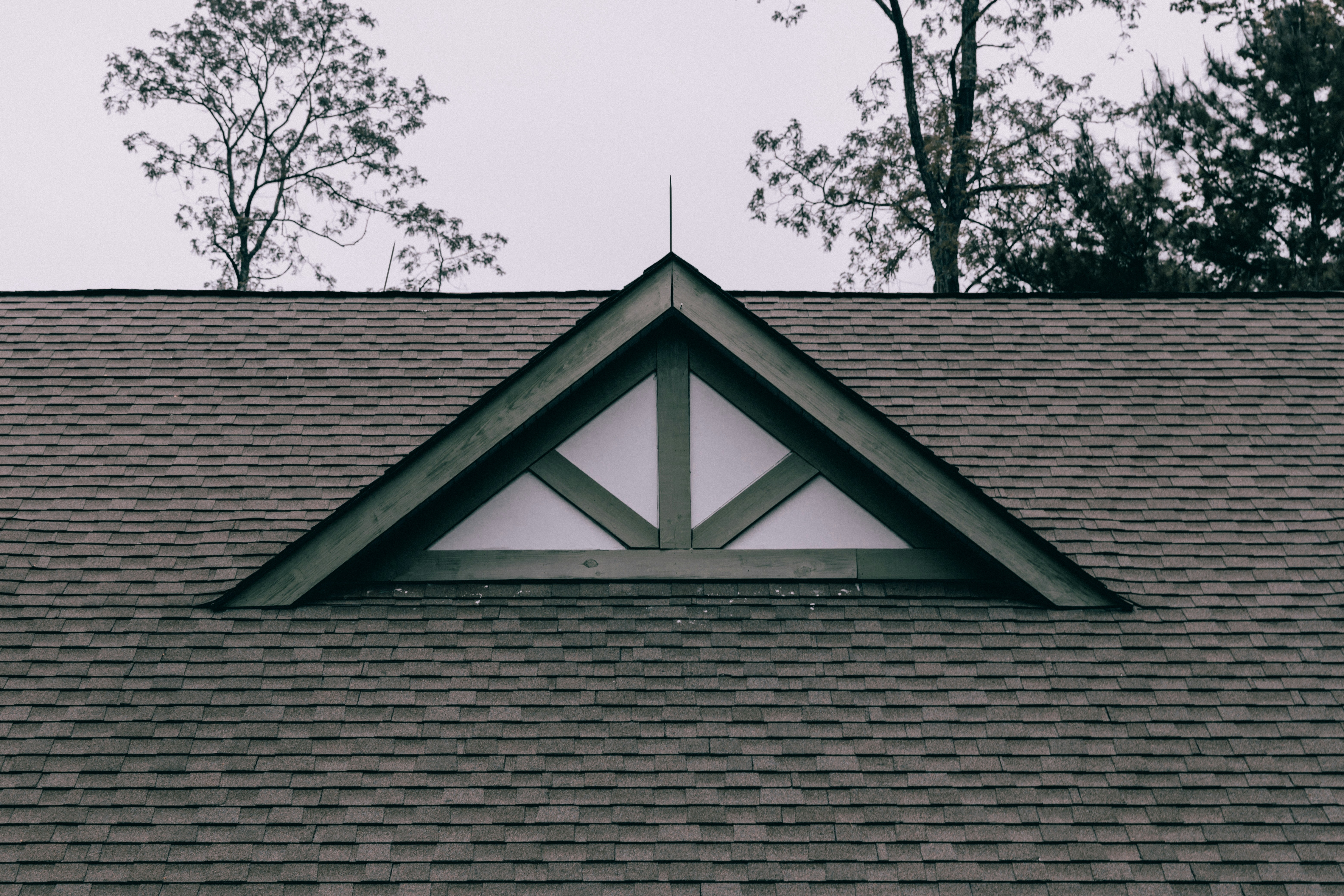
A roof rarely fails all at once. It usually gives a series of quiet warnings: a curled shingle here, a damp stain in the attic there, a small pile of granules washing out of a downspout after a heavy rain. For homeowners in Morris County and across North Jersey, recognizing the signs your roof needs replacing early can be the difference between a planned project and an expensive emergency. The region's mix of heavy winters, humid summers, and gusty shoulder seasons puts asphalt shingles through real stress, and every roof eventually reaches the end of its life.
Top Quality Home Renovation has been replacing roofs in Parsippany, Morristown, Denville, and the surrounding communities for more than 15 years. Owner Ivan Navarro is on every job from tear-off through cleanup, so the team sees firsthand which early signals tend to predict a full replacement.
If a roof is showing any of the warning signs in this guide, the safest next step is a free estimate. Call Top Quality Home Renovation at 973-604-0152 or fill out the online contact form to get a quote.
Roof Age And Lifespan: How Long Should An Asphalt Roof Actually Last In North Jersey?
The first question to ask is the simplest: how old is the roof? In Morris County, most architectural asphalt roofs installed by a qualified contractor last 25 to 35 years. Older 3-tab shingles, common on homes built before the early 2000s around Boonton, Madison, and Chatham, often run shorter, closer to 15 to 20 years. If the home was built or last reroofed more than two decades ago, the roof is already in the replacement window even when it still looks intact from the curb.
Age matters because asphalt shingles degrade from the inside out. The binder dries, the fiberglass mat loses flexibility, and the granules begin to release. Once that aging is well underway, even a minor wind event can cause real damage. A roof that looks fine in May can be missing a section by August if a summer storm catches it in the wrong condition.
Visible Shingle Damage: What Should Morris County Homeowners Watch For From The Ground?
Some of the clearest warning signs are visible from the driveway. Walking the roof is something to leave to a trained contractor, but a careful look from the ground often tells most of the story.
- Curled or cupped shingles: Edges lifting or corners turning up usually signal moisture damage or aging asphalt
- Missing shingles: Bare patches after a storm point to wind uplift and weakened adhesive seals
- Bald spots: Loss of protective granules leaves the asphalt mat exposed to direct sun
- Cracked or split shingles: Surface fractures often appear after years of freeze-thaw cycles
- Dark streaks or staining: Algae and moss growth signal moisture retention, especially under heavy tree cover
These signs do not always mean the roof needs full replacement, but more than one of them showing up across multiple slopes is a strong indicator. Spot repairs can buy time on a younger roof, while a roof showing widespread surface wear is usually past the point where patching makes financial sense.
Granule Loss In Gutters: Why Are Those Black Specks A Red Flag?
One of the most overlooked warning signs is granule loss. After a heavy rain, North Jersey homeowners often notice dark, sand-like material collecting in gutters or pooling at the base of downspouts. Those are the protective granules that shield the asphalt from UV exposure. A small amount is normal during the first year after installation, but persistent shedding on an older roof means the shingles are breaking down.
Without granules, shingles soften and crack quickly under the sun. Homes near heavy tree cover, such as the wooded streets of Mountain Lakes or the shaded ridges across Sussex County, tend to see accelerated wear because falling branches and constant shade hold moisture longer. If gutter cleanouts keep producing buckets of granules, the roof is closer to the end than the middle of its life.
Interior Warning Signs: When Is The Damage Coming From Inside The Home?
Not every roof problem shows up on the outside first. Some of the most serious warning signs appear in the attic, on ceilings, or along upper walls. North Jersey homeowners should keep a particular eye out after the freeze-thaw weeks of February and March, when ice dam damage is most likely to surface inside the home.
- Attic light leaks: Daylight visible through the roof deck indicates open gaps or compromised sheathing
- Water stains on ceilings: Brown rings or streaks usually trace back to a roof leak or flashing failure
- Damp insulation: Wet or matted insulation in the attic points to active moisture intrusion above
- Sagging decking: Soft or bowed plywood between rafters suggests long-term water damage
- Musty attic odor: A persistent damp smell can mean hidden mold from a slow, ongoing leak
Interior signs are usually the most urgent. By the time water reaches a ceiling, the damage above has been developing for weeks or months. A full inspection helps determine whether the source is the roof field itself, the flashing around a chimney or vent, or a ventilation problem in the attic.
Weather And Storm Damage: How Does The North Jersey Climate Wear A Roof Down?
North Jersey roofs face a long list of stressors. Heavy snow loads, ice dams along the eaves, summer thunderstorms with sudden downdrafts, and the steady humidity of July and August all take a toll. Homes in higher elevations of Morris County and along the western edges of Sussex County are especially exposed to wind, while properties near Newark and the Route 280 corridor see more rain-driven debris.
Severe storms are the obvious culprit, but everyday weather does most of the long-term damage. The freeze-thaw cycle that defines a North Jersey winter expands and contracts every shingle, fastener, and seam multiple times each season, and after enough of those cycles even a well-installed roof gradually loses its weather seal.
After a notable wind or hail event, a post-storm inspection is worth scheduling even when nothing looks wrong from the ground. Storm-related wear often hides on back slopes and along ridgelines.
Structural Sagging And Decking Damage: When Is The Roof Problem More Than Cosmetic?
A visibly sagging roofline is one of the most serious warning signs a homeowner can spot. Sagging usually means the underlying decking, rafters, or trusses have absorbed moisture or shifted over time. At that point, the issue is no longer a shingle problem. It is a structural concern that generally requires full replacement along with deck repair.
Homeowners in older neighborhoods around Morristown, Madison, and Chatham sometimes see this on roofs 30 or more years old that were built before modern ventilation standards. Catching the sag early prevents the damage from spreading to the framing or interior walls, where repair costs climb quickly.
Energy Bills And Attic Ventilation: How Can A Failing Roof Affect The Whole Home?
A worn roof does more than leak. It can drive heating and cooling bills higher, especially in homes with limited or imbalanced attic ventilation. North Jersey winters need a ventilation system that lets warm, moist air escape before it freezes along the eaves, and North Jersey summers need the same system in reverse so attic temperatures do not bake the underside of the shingles.
When a roof loses its seal or the ventilation was never properly designed, energy bills creep up year over year. Homeowners often blame the furnace or the air conditioner long before they look at the roof. A replacement that includes proper intake and exhaust ventilation often produces noticeable comfort and efficiency gains, particularly on the upstairs floors.
Practical Next Steps: What Should A North Jersey Homeowner Do First?
If even a few of these signs are showing up at home, the best first step is a professional inspection from a qualified contractor. A good inspection covers more than a quick glance at the shingles. It should include attic checks, ventilation review, flashing examination, and a written report the homeowner can keep.
- Schedule an inspection: A free, no-obligation evaluation provides a clear picture of the roof's current condition
- Document the damage: Photos and a contractor's written report support any future insurance claim
- Compare estimates: Request more than one detailed quote so the scope and materials are easy to compare
- Review warranty options: Confirm both manufacturer and workmanship warranty coverage before signing
- Plan around the seasons: Roofing work in North Jersey is most efficient from late spring through early fall
Homeowners do not need to wait for an active leak to start this process. A thorough inspection often catches issues early enough to plan a replacement on a comfortable timeline rather than during an emergency in the middle of winter.
Local Roofing Considerations: What Makes A North Jersey Roof Replacement Different?
A roof replacement in Morris County is not the same project as one in a milder climate. Materials, ventilation strategy, and underlayment choices all need to match the region. While New Jersey building code only mandates ice and water shield at the eaves in areas where the average January temperature drops to 25°F or below (technically limited to Sussex County statewide) many reputable contractors install it throughout northern NJ as best practice, given the real risk of ice dam formation in wooded townships and elevated areas north of I-80.
Top Quality Home Renovation handles roof replacements throughout Parsippany, Denville, Randolph, Morristown, Madison, and the broader North Jersey area. Every project is overseen on-site by owner Ivan Navarro, and every estimate is free. The team has earned more than 100 five-star reviews from homeowners across North Jersey for both the quality of the workmanship and the day-to-day communication during each project.
Frequently Asked Questions About Roof Replacement Signs In North Jersey
How do I know if my North Jersey roof needs replacing or just a repair?
The two main factors are age and the extent of the damage. A roof under 15 years old with isolated storm damage is often a strong candidate for repair. A roof over 20 years old with multiple warning signs across different slopes usually needs replacement. A full inspection is the most reliable way to tell.
What is the average lifespan of an asphalt roof in Morris County?
Most architectural asphalt roofs in the region last 25 to 35 years when installed correctly and properly ventilated. Older 3-tab roofs usually last 15 to 20 years. Heavy tree cover, poor ventilation, and a long storm history can shorten those numbers.
Can a leaking roof be repaired, or does it always need full replacement?
A leak does not automatically mean replacement. If the surrounding shingles are still in good condition and the leak is traced to flashing, a chimney, or a vent boot, a targeted repair is usually enough. Widespread or repeating leaks on an older roof typically signal the end of life.
Is it safe to delay a roof replacement in North Jersey?
Delaying replacement on a clearly worn roof carries real risk. Once water reaches the decking or insulation, costs climb quickly. A planned replacement is almost always less expensive than an emergency repair after a winter storm or heavy spring rain.
Schedule A Roof Inspection With Top Quality Home Renovation Today
Recognizing the signs your roof needs replacing is only the first step. The next is a careful inspection by a contractor who knows North Jersey homes. Top Quality Home Renovation is based in Parsippany and serves homeowners throughout Morris County and the surrounding region. Every estimate is free, and every project is personally overseen by owner Ivan Navarro from tear-off through final cleanup.
Homeowners ready to take a closer look can call Top Quality Home Renovation at 973-604-0152 or fill out the online contact form. The team will walk through what the inspection found, the realistic next steps, and how to plan the project on a timeline that fits the home.
Disclaimer: This blog is intended for informational purposes only and does not establish an attorney-client relationship. It should not be considered as legal advice. For personalized legal assistance, please consult our team directly.